Description
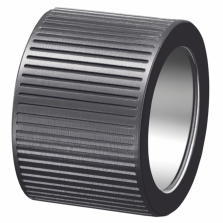
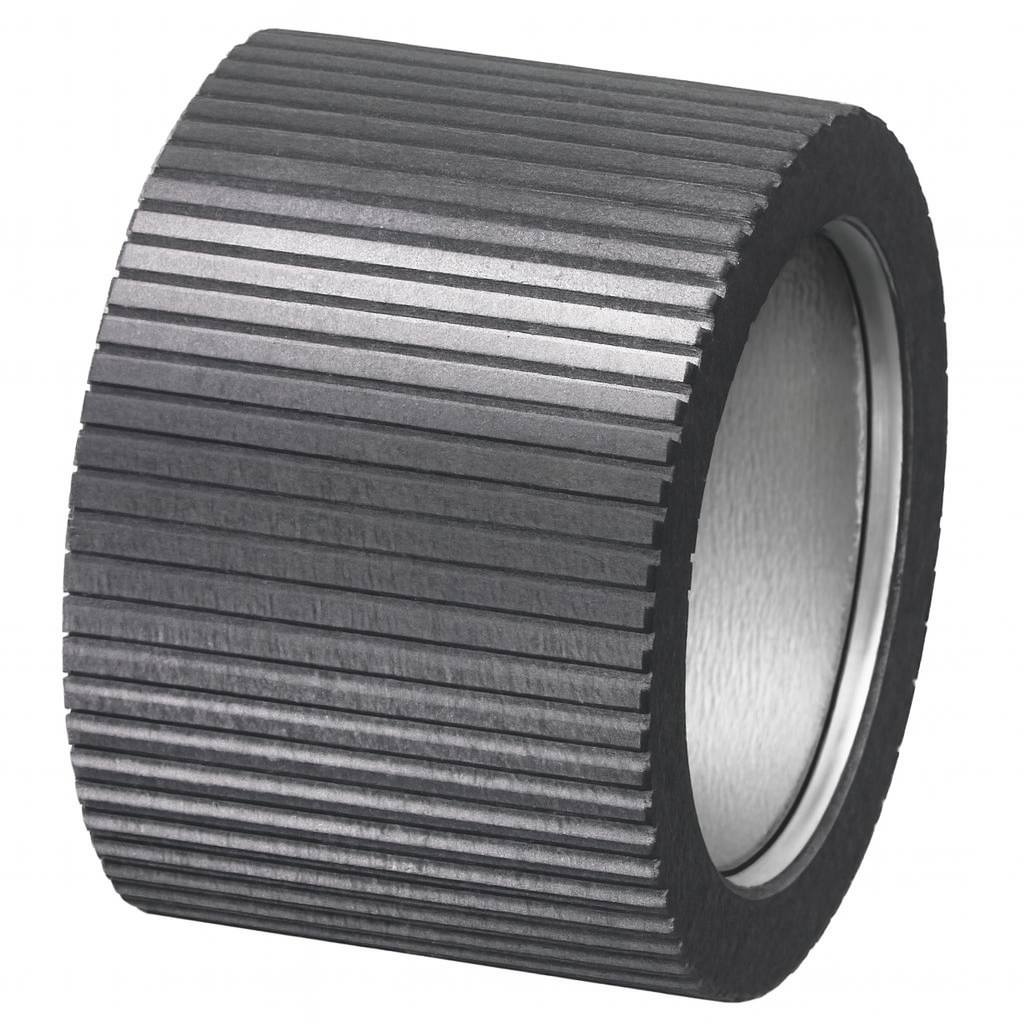
The through straight slot roller shell is a critical wear part for biomass pellet mills, feed pellet mills, and industrial granulation equipment. Its surface features continuous straight grooves that, compared to conventional rollers, provide stronger material grip and uniform radial compression. This design effectively reduces lateral material slip in the compression zone, significantly improving pelleting efficiency and pellet formation rate. It is especially suitable for fibrous materials like wood chips and straw, as well as high-hardness mineral powders.
Q: What is the fundamental difference in failure mode between a through straight slot roller shell and a conventional roller shell?
A: Conventional rollers mainly fail due to surface wear or slippage, causing capacity loss. In contrast, the primary failure mode of a through straight slot roller shell is fatigue cracking at the groove root or plastic deformation at the groove edge. Therefore, material selection and heat treatment must prioritize fatigue toughness over mere surface hardness.
Q: How should groove depth and width be matched to different materials?
A: For high-fiber materials (e.g., wood chips), a deep groove (3-5mm) combined with a wide groove (8-12mm) is recommended to enhance bite capability. For feed or fertilizers, shallow grooves (1.5-2.5mm) and narrow grooves (5-7mm) should be used to avoid excessive particle breakage and reduce energy consumption. The key principle is that the groove cross-sectional area must match the material’s natural bulk density before compression.
Q: How can you quickly determine if a through straight slot roller shell needs replacement?
A: Two reliable methods: 1) Online check of the die-roller gap – when the gap cannot be adjusted to a minimum effective squeezing position; 2) During shutdown, inspect for continuous cracks longer than 30mm at the groove root. Do not rely solely on surface wear amount; otherwise, it may cause abnormal die wear or even die burst accidents.