Ring Die for Pellet Mills: A Complete Guide to Material, Craftsmanship, and Maintenance
The ring die is the most critical wear part in a pellet mill. Its quality and parameter selection directly determine pellet quality, production efficiency, and operating costs. This guide covers material selection, manufacturing processes, die hole parameters, and maintenance essentials for professionals in feed, biomass, and chemical granulation industries.
1.What Is a Ring Die and What Role Does It Play?
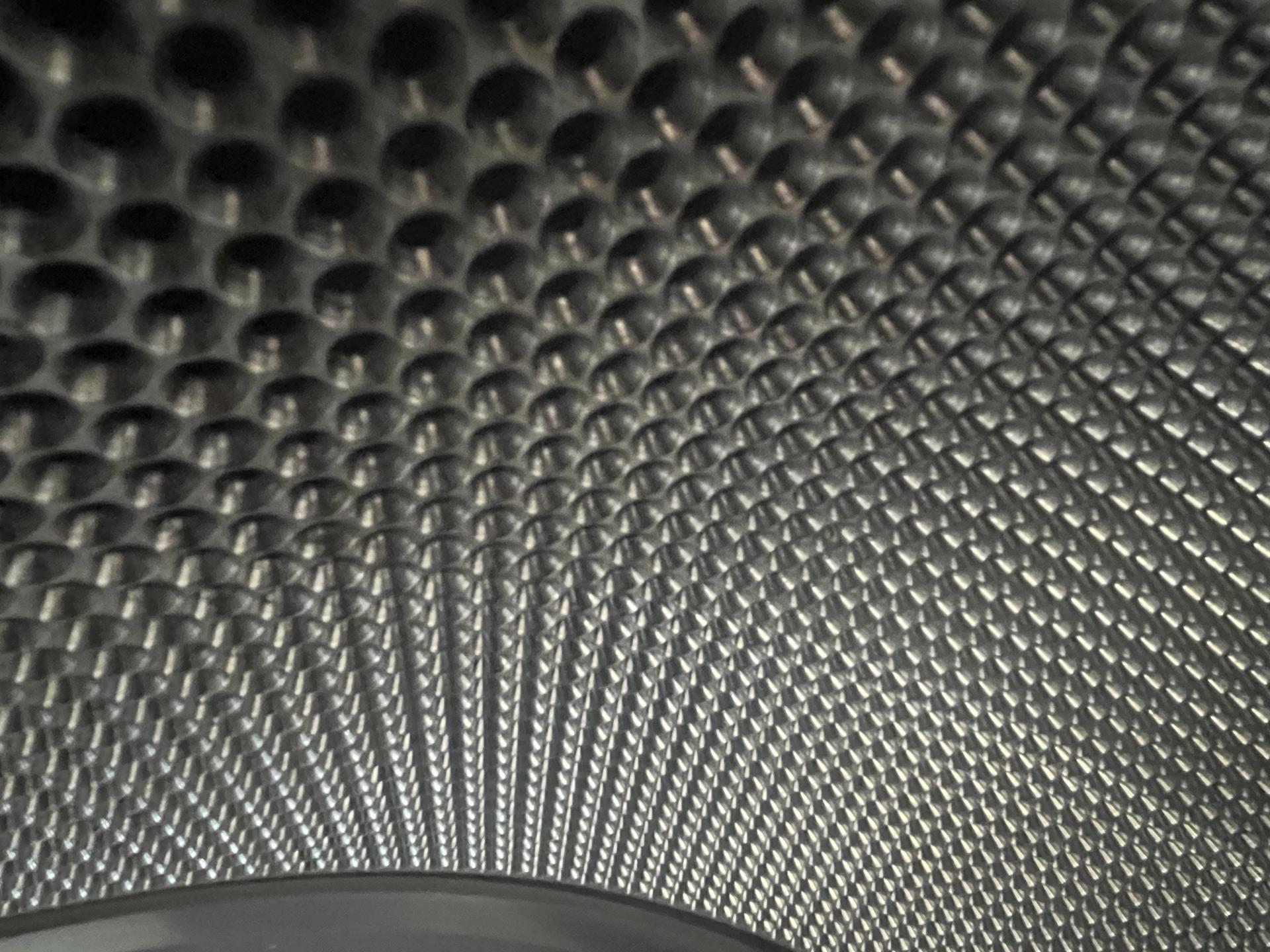
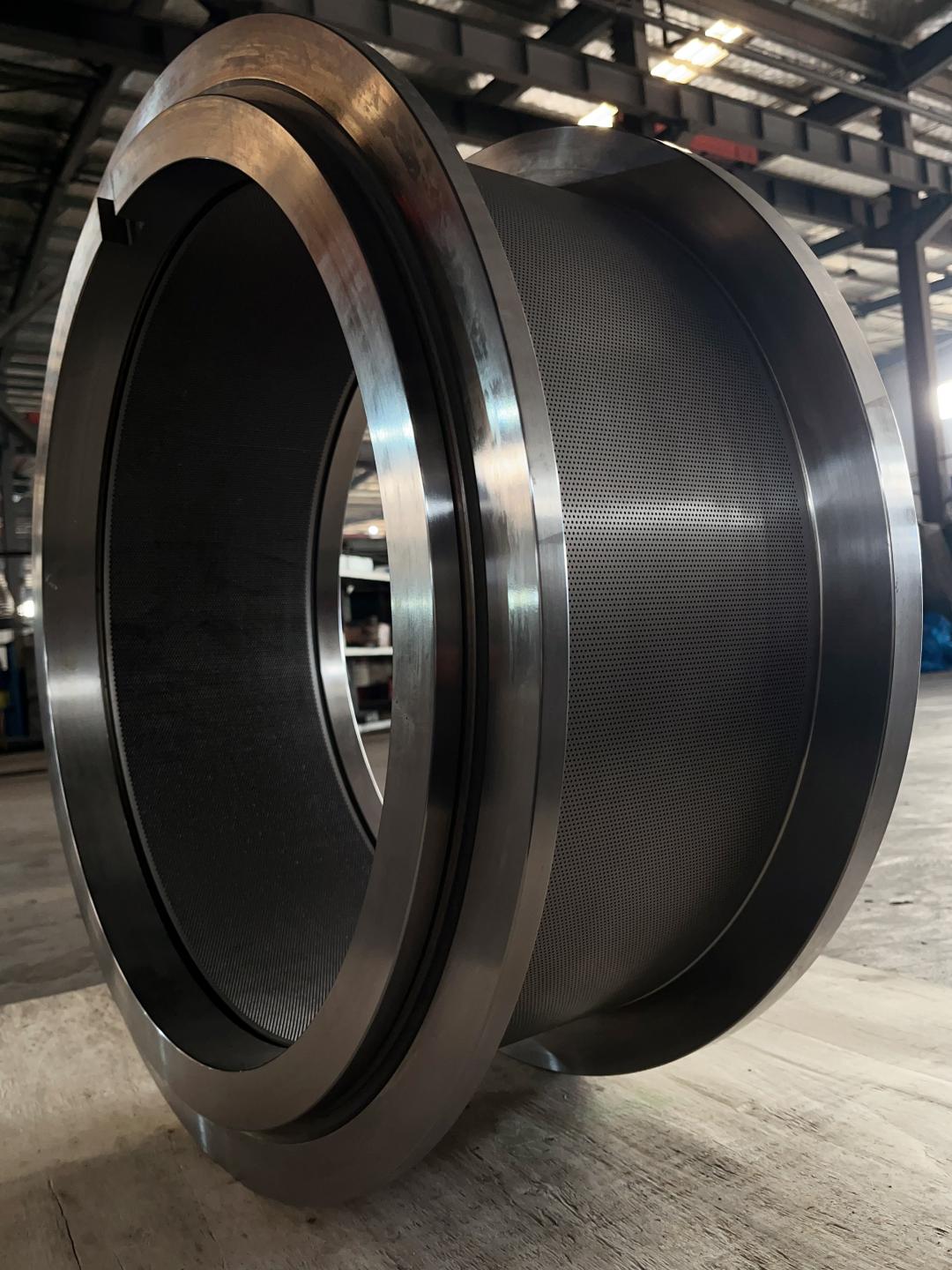
The ring die is the core extrusion component of a ring-die pellet mill. It is a circular ring with thousands of die holes drilled through its inner wall. During operation, feed material is pressed by rollers through these holes to form cylindrical pellets. The quality and service life of the ring die are the most decisive factors for pellet production quality and profitability .
2.Material Selection and Manufacturing Process
High-quality ring dies are typically made from vacuum stainless steel containing special alloying elements. Blanks undergo ultrasonic inspection and are left outdoors for 30 days to allow full oxidation before machining . Academic research indicates that 4Cr13 material with a chromium content above 12.5% achieves a favorable balance between corrosion resistance and hardness, outperforming low-chromium alternatives in service life .
Core manufacturing steps include: gun drilling (determining hole precision and surface finish), heat treatment (vacuum quenching for uniform hardness and minimal distortion, with furnace temperatures up to 1,350°C), and countersinking and polishing (taper angle deviation controlled within 1°) . Post-treatment hardness is typically maintained at 52–55 HRC, balancing wear resistance against cracking risk .
3.How Do Die Hole Parameters Affect Pellet Quality?
The two core parameters are hole diameter and compression ratio (the ratio of hole depth to diameter). Research shows:
- A higher compression ratio yields harder pellets. At a fixed 3 mm diameter, increasing the ratio from 6:1 to 10:1 significantly increased pellet hardness .
-
Larger hole diameters also increase hardness. At a fixed 10:1 ratio, increasing diameter from 3.0 mm to 4.0 mm significantly raised hardness .
-
However, harder is not always better for broiler feeding. Excessive hardness reduces feed intake and weight gain while raising the feed conversion ratio . Selection requires balancing pellet durability against animal intake convenience.
Different feed types also require matched countersink profiles (e.g., conical countersinks for livestock feed). Small-diameter dies benefit from water sandblasting to improve hole-wall smoothness and ensure smooth discharge .
4.Installation and Maintenance Essentials
Installation precision is critical. After mounting, dial indicator checks should verify end-face runout within 0.15–0.2 mm. Bolts must be tightened symmetrically and evenly—any looseness can damage the die .
Three maintenance ground rules: First, new dies should be “seasoned” with oily material to remove burrs; small-hole dies may benefit from fine sand grinding . Second, strictly prevent iron pieces, sand, and other hard contaminants from entering the pressing chamber; any iron lodged in holes must be promptly punched or drilled out . Third, symmetrically mountable dies can be flipped after a period of use to promote even wear .
5.Selection Recommendations
There is no universal “best” ring die specification. Manufacturers design differentiated open-area ratios and compression ratios based on region, customer, species, and growth stage to balance performance and service life . When purchasing, provide suppliers with specific material characteristics—fiber content, oil inclusion rate, target pellet diameter, and hardness requirements—rather than ordering solely by machine model dimensions.